
Containers on AWS Wavelength
Edge latency is killing your real-time applications—AWS Wavelength brings containers to the network edge, slashing response times to milliseconds. This 30-minute course cuts through the hype and shows you exactly how to architect, deploy, and optimise containerised workloads at the edge where it matters.
AIU.ac Verdict: Essential for DevOps engineers and cloud architects targeting ultra-low-latency use cases (autonomous vehicles, industrial IoT, live streaming). The course is deliberately compact—perfect for upskilling—though you’ll need solid AWS and container fundamentals to extract maximum value.
What This Course Covers
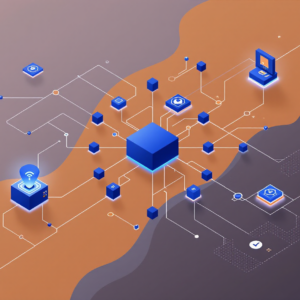
You’ll explore AWS Wavelength’s architecture, understanding how it extends AWS infrastructure into carrier networks for sub-10ms latency. The course covers practical container deployment patterns, networking considerations, and real-world trade-offs between edge and regional compute. Nigel walks through hands-on scenarios: deploying containerised microservices, managing state at the edge, and integrating with existing AWS services like ECS and ECR.
Expect to learn when Wavelength makes economic and technical sense versus traditional edge solutions, how to handle data consistency across edge-to-cloud architectures, and troubleshooting common deployment pitfalls. The labs emphasise practical decision-making—you’ll evaluate latency gains, cost implications, and operational complexity for your specific workload profile.
Who Is This Course For?
Ideal for:
- DevOps Engineers: Need to deploy containerised services at the network edge without reinventing infrastructure. Wavelength bridges the gap between on-premises edge and cloud-native operations.
- Cloud Architects: Designing low-latency solutions for autonomous systems, real-time analytics, or 5G applications. This course clarifies Wavelength’s role in your edge strategy.
- Platform Engineers: Building multi-region, edge-aware container platforms. Understanding Wavelength’s constraints and capabilities is critical for production resilience.
May not suit:
- AWS Beginners: Assumes comfort with EC2, VPCs, and container fundamentals. Start with core AWS and Docker courses first.
- Traditional Infrastructure Teams: If your workloads don’t require sub-50ms latency or 5G integration, Wavelength adds complexity without benefit. Focus on standard regional deployments instead.
Frequently Asked Questions
How long does Containers on AWS Wavelength take?
30 minutes. It’s a focused, high-signal course designed for professionals who already understand containers and AWS basics. Perfect for a single sitting or split across two sessions.
What prerequisites do I need?
Solid working knowledge of Docker/container concepts, AWS fundamentals (VPCs, IAM, EC2), and ideally some ECS experience. This isn’t an introductory course.
Will I get hands-on labs?
Yes. Pluralsight includes sandbox environments where you’ll deploy and test containerised workloads on Wavelength. You’ll see real latency metrics and cost implications.
Is Wavelength available in my region?
Wavelength is carrier-dependent and limited to specific geographies (US, Europe, Asia-Pacific). The course covers availability zones and helps you assess whether it’s viable for your use case.
Course by Nigel Poulton on Pluralsight. Duration: 0h 30m. Last verified by AIU.ac: March 2026.