Monitoring Container Operations in Oracle Cloud Container Engine for Kubernetes
Container failures cost you visibility and uptime. This focused course teaches you to monitor Oracle Kubernetes clusters effectively, catching issues before they impact production. You’ll gain hands-on skills in diagnostics, metrics, and alerting—essential for any DevOps engineer managing containerised workloads.
AIU.ac Verdict: Ideal for DevOps engineers and cloud architects already working with Oracle Cloud Infrastructure (OCI) and Kubernetes. The 23-minute format suits busy professionals, though you’ll need prior Kubernetes familiarity—this isn’t an introduction to containers themselves.
What This Course Covers
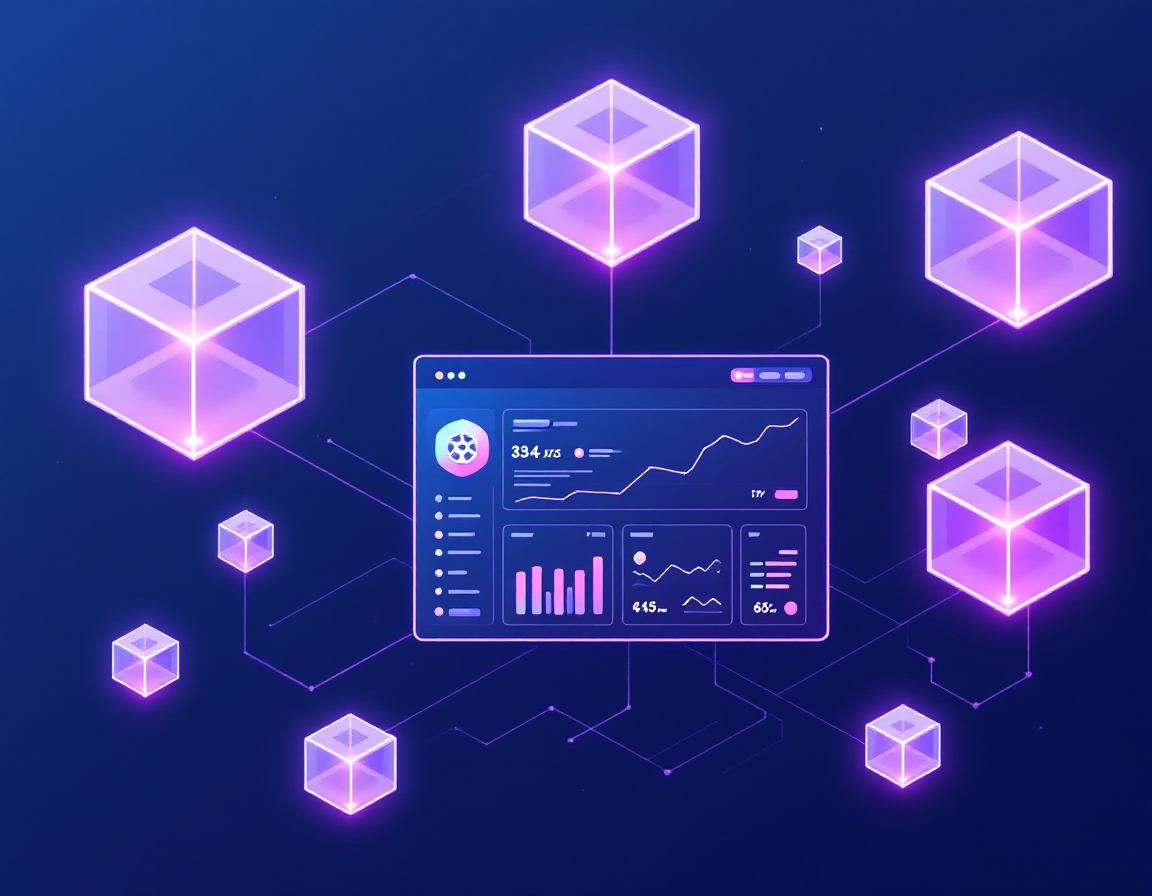
You’ll explore Oracle Cloud Container Engine for Kubernetes (OKE) monitoring architecture, including metric collection, log aggregation, and real-time dashboards. The course covers diagnostic tools, performance baselines, and alert configuration—practical techniques you’ll apply immediately to your clusters. Expect hands-on labs using OCI’s native monitoring services and integration points with third-party observability platforms.
The training emphasises production-grade monitoring patterns: identifying resource constraints, tracking pod health, and responding to cluster anomalies. Craig Golightly structures the content around real-world scenarios—CPU throttling, memory pressure, networking latency—so you leave with actionable troubleshooting workflows, not just theory.
Who Is This Course For?
Ideal for:
- DevOps Engineers: Managing OKE clusters in production environments who need rapid upskilling in monitoring best practices and diagnostic workflows.
- Cloud Architects: Designing Kubernetes infrastructure on OCI and requiring hands-on knowledge of observability requirements and monitoring architecture.
- SRE Practitioners: Responsible for cluster reliability and seeking practical monitoring techniques to reduce mean-time-to-detection (MTTD) for container issues.
May not suit:
- Kubernetes Beginners: This assumes solid foundational Kubernetes knowledge; you’ll struggle without understanding pods, services, and cluster concepts.
- Non-OCI Users: The course is Oracle-specific; if you’re using EKS, GKE, or AKS, the monitoring tools and workflows won’t directly transfer.
Frequently Asked Questions
How long does Monitoring Container Operations in Oracle Cloud Container Engine for Kubernetes take?
The course is 23 minutes of video content. Most learners complete it in one sitting, though hands-on labs may add 30–60 minutes depending on your familiarity with OCI.
Do I need Oracle Cloud credits to complete the hands-on labs?
Pluralsight typically provides sandbox environments for labs, but verify current access with your institution. Some exercises may require an OCI free-tier account.
What Kubernetes experience do I need before starting?
You should be comfortable with Kubernetes fundamentals—pods, deployments, services, namespaces. This course assumes you can navigate kubectl and understand cluster architecture.
Will this course cover monitoring tools beyond Oracle’s native services?
The focus is Oracle Cloud Container Engine monitoring, but the course touches on integration patterns with third-party observability platforms. Expect 80% OCI-native tools, 20% ecosystem context.
Course by Craig Golightly on Pluralsight. Duration: 0h 23m. Last verified by AIU.ac: March 2026.