Python 3: From Beginner to Advanced
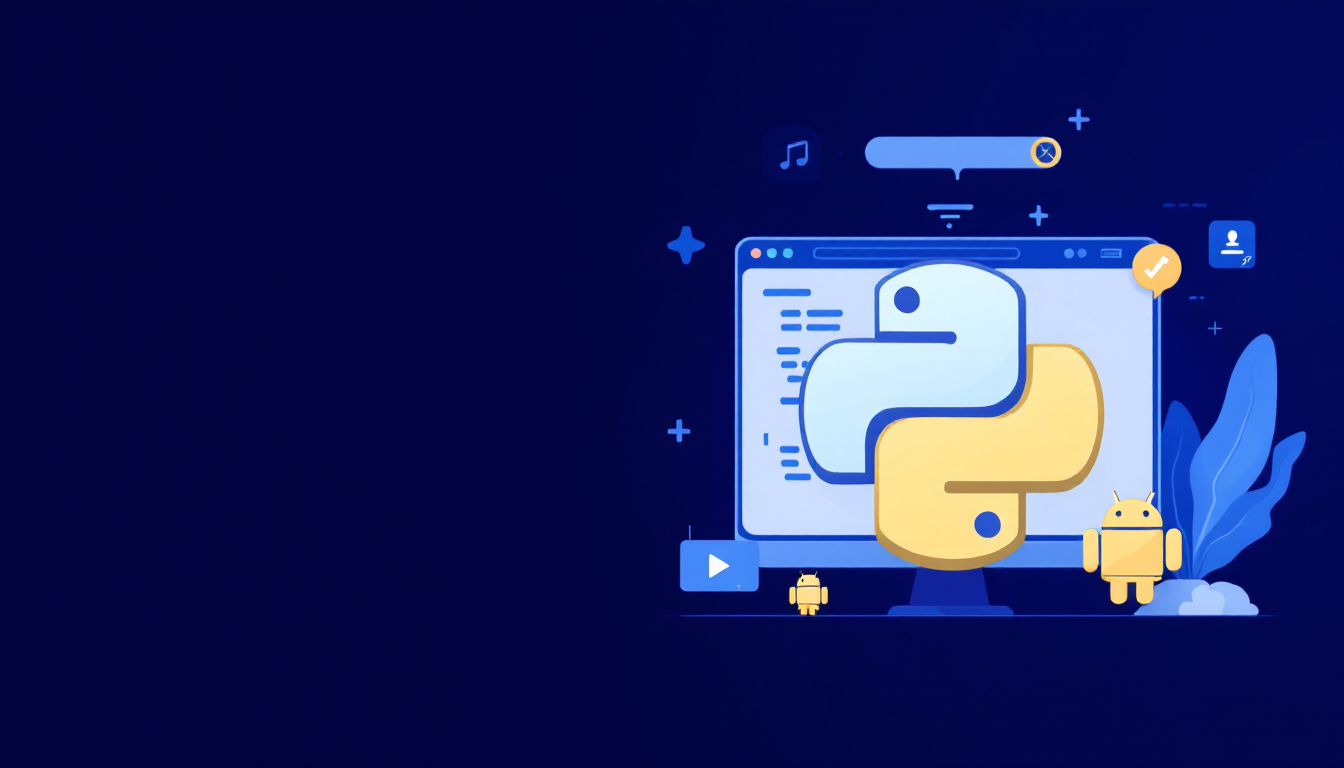
This comprehensive Python programming course from Educative takes learners on a complete journey from fundamental concepts to advanced programming techniques. The curriculum covers essential programming constructs including loops, conditional statements, and data structures, before progressing to object-oriented programming with classes and inheritance. Students develop practical skills in GUI development using Tkinter, learn testing methodologies to ensure code quality, and explore advanced Python features. The interactive, browser-based format requires no local setup, making it accessible for immediate learning. With a 4.5-star rating and self-paced structure, this course provides flexibility for busy professionals whilst maintaining rigorous educational standards that prepare students for real-world Python development challenges.
Gain insights into Python by exploring basic to advanced concepts, including loops, classes, and GUIs with Tkinter. Delve into testing and become a productive Python programmer.
Is Python 3: From Beginner to Advanced Worth It in 2026?
This course suits anyone transitioning from zero coding experience to writing production-ready Python—particularly those who learn better through interactive, hands-on environments rather than video lectures. The browser-based format eliminates setup friction, which matters if you’re learning on a constrained machine or during a career break.
The genuine limitation: the course compresses a lot of ground (fundamentals through GUIs, testing, and OOP) into one pathway. Learners tackling advanced topics like decorators or async programming may find the depth insufficient compared to specialised courses. If you’re aiming for data science or backend engineering roles, you’ll need supplementary material on libraries like NumPy, Pandas, or Django after completing this.
The verdict: worth it if you’re a true beginner seeking structured, interactive practice with immediate feedback. The 4.5-star rating reflects solid pedagogy, and Educative’s embedded code environment removes common friction points. AIU.ac recommends this as a foundation course—pair it with domain-specific follow-ups (data science, web frameworks) based on your career goal.
What You’ll Learn
- Write and debug Python scripts using variables, data types, and operators without relying on external IDEs
- Build control flow logic with conditional statements and loops to solve algorithmic problems
- Design and instantiate classes with inheritance, encapsulation, and polymorphism for object-oriented programmes
- Create functional graphical user interfaces (GUIs) using Tkinter for desktop applications
- Implement error handling with try-except blocks and custom exceptions in production code
- Write unit tests using Python’s testing frameworks to validate code reliability
- Apply functional programming concepts including lambda functions, map, filter, and list comprehensions
- Manage file I/O operations and work with external data sources in Python
- Understand scope, namespaces, and module organisation for maintainable code architecture
- Optimise code performance by recognising common inefficiencies and applying best practices
What AIU.ac Found: What AIU.ac found: The course structure progresses logically from syntax through OOP to practical applications (Tkinter GUIs, testing), and Educative’s embedded code environment forces active learning—you can’t passively watch. The pacing assumes genuine beginner status, which is refreshing; however, the breadth means advanced topics (decorators, context managers, async) receive lighter treatment than specialists might prefer.
Last verified: March 2026
Frequently Asked Questions
How long does Python 3: From Beginner to Advanced take?
The course is self-paced, but most learners complete it in 40–60 hours depending on prior coding experience and time spent on exercises. Beginners typically spend 8–12 weeks at 5–7 hours per week; those with some programming background may finish in 4–6 weeks.
Do I need any prerequisites for Python 3: From Beginner to Advanced?
No formal prerequisites are required. The course assumes zero coding experience and starts with fundamentals. Basic computer literacy (navigating files, using a browser) is sufficient to begin.
Is Python 3: From Beginner to Advanced suitable for beginners?
Yes, it’s explicitly designed for beginners. The interactive, browser-based format means you write and test code immediately without installing anything, which reduces early frustration and builds confidence quickly.
Will this course prepare me for a Python developer role?
This course provides a solid foundation in core Python concepts and best practices, but hiring managers typically expect specialisation (web frameworks like Django, data libraries like Pandas, or cloud deployment). Use this as your base, then pursue role-specific follow-up training curated on AIU.ac.
Can I access this course on mobile devices?
Educative’s platform is browser-based and responsive, so you can read lessons on mobile, but writing and testing code is best done on a desktop or laptop where you have a proper keyboard and screen real estate.