Reactive Programming in Java 12 with RxJava 2
Non-blocking, event-driven systems are now table stakes—and RxJava 2 is how Java teams build them at scale. This course cuts through the reactive paradigm’s complexity, teaching you to compose async streams and handle backpressure without the usual learning curve. You’ll ship production-ready code in under 3 hours.
AIU.ac Verdict: Ideal for backend engineers and full-stack developers who need reactive patterns without drowning in theory. Russell Elledge’s teaching style favours practical labs over abstract concepts, making this a rare accessible entry point. Caveat: assumes solid Java fundamentals—this isn’t a Java primer.
What This Course Covers
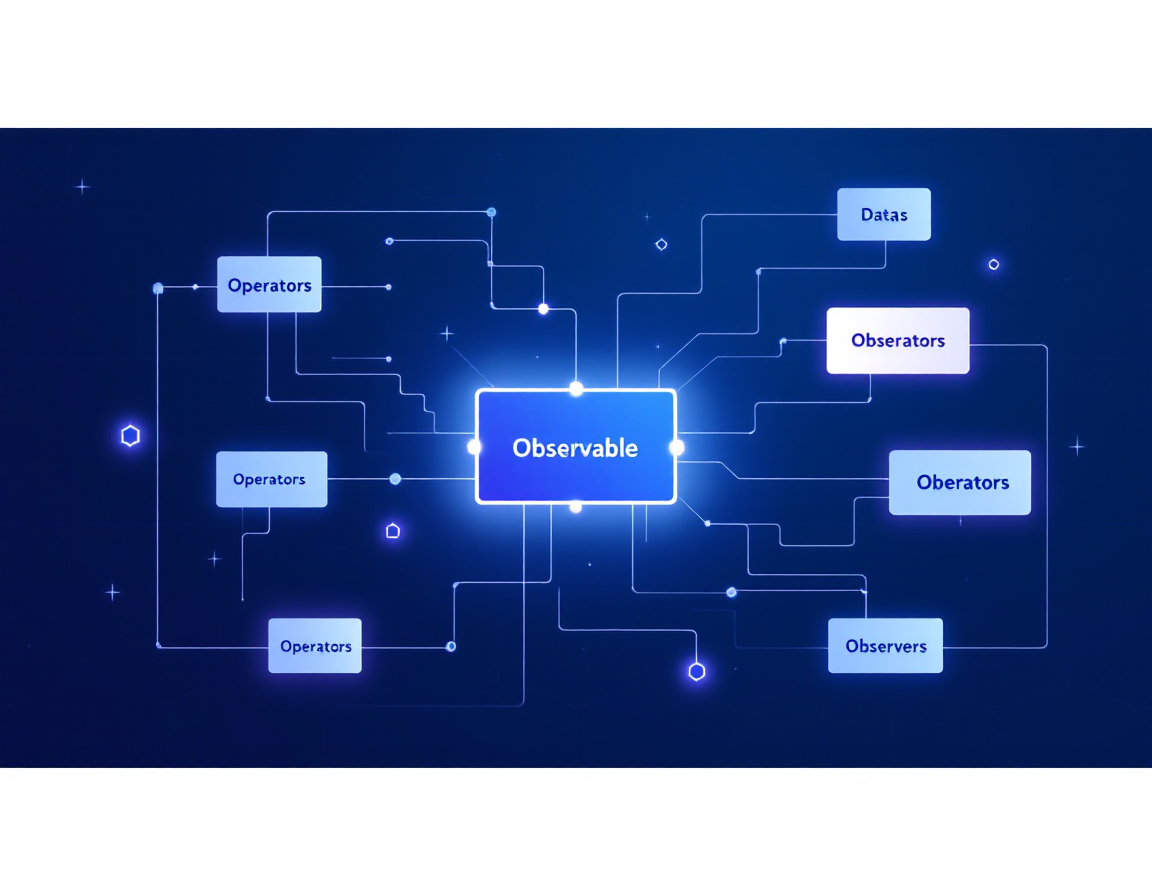
You’ll start with reactive fundamentals: observables, observers, and subscription lifecycles. Then move into operators (map, filter, flatMap, merge), error handling strategies, and backpressure—the mechanism that prevents your system from drowning in data. The course includes hands-on labs in Pluralsight’s sandbox environment, so you’re writing and debugging real RxJava code from module two onwards.
By the end, you’ll understand when to reach for reactive patterns (high-concurrency I/O, event streams, real-time data) versus traditional imperative code. You’ll also recognise common pitfalls: subscription leaks, incorrect operator chaining, and backpressure misconfigurations. The focus is deliberate—Russell prioritises patterns you’ll actually use in production microservices and Spring Boot applications.
Who Is This Course For?
Ideal for:
- Backend engineers building microservices: RxJava 2 is standard in Spring Boot reactive stacks; this course bridges the gap between traditional servlet code and Project Reactor/WebFlux.
- Full-stack developers handling real-time features: WebSockets, live dashboards, and event-driven UIs demand reactive thinking; you’ll learn the server-side patterns that make these feasible.
- Java developers transitioning to async/non-blocking code: If you’re comfortable with threads and callbacks but reactive syntax feels alien, this course demystifies observables and operator composition.
May not suit:
- Java beginners: You need confident OOP, generics, and functional interface knowledge; this course assumes you can read and modify Java code independently.
- Developers seeking a deep theoretical dive: Russell prioritises pragmatism over category theory; if you want to understand monads and category theory foundations, look elsewhere.
Frequently Asked Questions
How long does Reactive Programming in Java 12 with RxJava 2 take?
3 hours 6 minutes of video content. Most learners complete it in 1–2 sittings, though hands-on labs may add another 2–3 hours depending on your pace and experimentation.
Do I need Java 12 specifically, or will newer versions work?
Java 12 is the baseline used in the course, but RxJava 2 runs on Java 8+. Modern Java versions (17, 21) are fully compatible; the reactive patterns taught here are version-agnostic.
Will this course teach me Spring WebFlux or Project Reactor?
No—this is RxJava 2 focused. However, the reactive operators and backpressure concepts transfer directly to Reactor. Many learners take this first, then move to WebFlux courses.
What’s included with the Pluralsight course?
Video lessons, downloadable course materials, and access to Pluralsight’s sandbox labs where you can write and test RxJava code without local setup. No certificate of completion is issued, but you gain hands-on experience.
Course by Russell Elledge on Pluralsight. Duration: 3h 6m. Last verified by AIU.ac: March 2026.