Implementing ETL Pipelines on the Microsoft SQL Server Platform
Data pipelines are breaking under pressure—manual ETL processes cost time and introduce errors at scale. This course teaches you to build automated, production-ready ETL pipelines on SQL Server, cutting integration time from days to hours. You’ll move from reactive data management to proactive, reliable data flows.
AIU.ac Verdict: Ideal for SQL Server DBAs, data engineers, and analytics engineers who need hands-on ETL design without enterprise tooling overhead. The 2-hour format is tight—expect to revisit labs for deeper mastery, but you’ll ship working pipelines immediately.
What This Course Covers
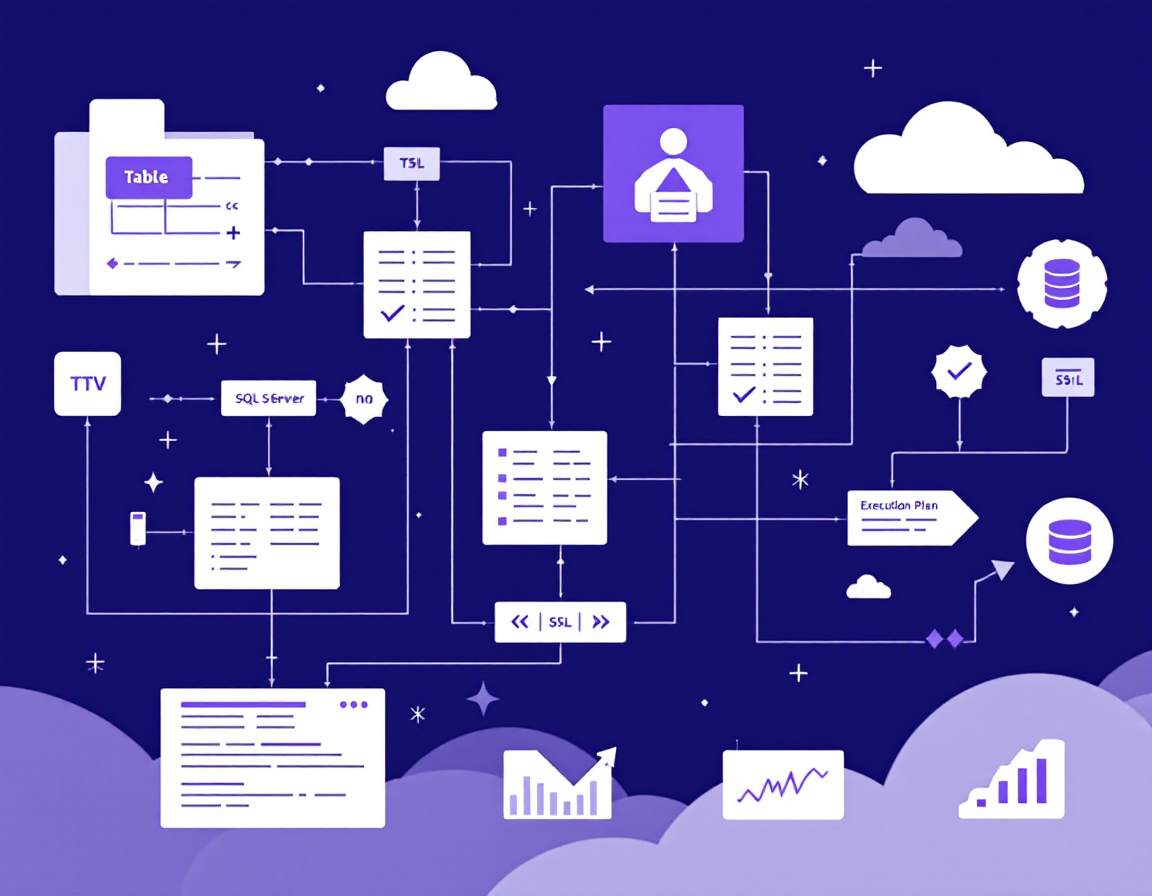
You’ll work through SQL Server Integration Services (SSIS) fundamentals, designing data flows that extract from multiple sources, apply business logic transformations, and load into data warehouses or data lakes. Expect practical coverage of error handling, logging, scheduling, and performance tuning—the real-world friction points that derail amateur pipelines.
Thomas LeBlanc walks you through building a complete end-to-end pipeline, including incremental loads, slowly changing dimensions, and recovery strategies. You’ll use SQL Server’s native tools (SSIS, T-SQL, Agent jobs) rather than external platforms, making this immediately applicable if you’re already invested in the Microsoft stack.
Who Is This Course For?
Ideal for:
- SQL Server DBAs moving into data engineering: You know T-SQL and SQL Server architecture; this bridges to modern ETL patterns without requiring new platforms.
- Data analysts building self-service pipelines: Stop waiting for engineering teams. Learn to automate your own data prep and refresh cycles on SQL Server.
- Analytics engineers on Microsoft-first stacks: Azure Synapse, Power BI, and SQL Server are your ecosystem—this course keeps you native and cost-efficient.
May not suit:
- Cloud-native engineers: If you’re committed to Spark, Airflow, or cloud-native ETL (Databricks, GCP Dataflow), this SQL Server focus won’t align.
- Complete beginners to databases: You need solid SQL and relational database fundamentals first—this assumes you can write joins and stored procedures.
Frequently Asked Questions
How long does Implementing ETL Pipelines on the Microsoft SQL Server Platform take?
The course is 2 hours of video content. Budget 4–6 hours total including hands-on labs and sandbox exercises. Plan a second pass if you’re new to SSIS.
Do I need SQL Server installed locally?
No. Pluralsight provides sandboxed environments for all labs, so you can learn without infrastructure setup. However, installing SQL Server Developer Edition (free) locally will deepen your learning.
Will this teach me cloud ETL tools like Azure Data Factory?
No—this focuses on SQL Server native tools (SSIS, T-SQL, Agent). If you need ADF, that’s a separate course path, though SSIS concepts transfer.
Is this suitable for production environments?
Yes. You’ll learn patterns for error handling, logging, and scheduling that are production-grade. However, large-scale distributed pipelines may require supplementary learning on cloud platforms.
Course by Thomas LeBlanc on Pluralsight. Duration: 2h 0m. Last verified by AIU.ac: March 2026.