
Powering the Data Lakehouse with Databricks
Data silos are killing your analytics velocity—Databricks solves this by unifying data warehousing and data lakes into one performant platform. In 45 minutes, you’ll understand the architectural principles behind the data lakehouse paradigm and how to leverage Databricks’ Delta Lake for production-grade analytics at scale.
AIU.ac Verdict: Ideal for data engineers and analytics architects evaluating modern data stack consolidation. The course is deliberately concise—perfect for busy professionals—though you’ll want hands-on labs beyond this video to truly operationalise the concepts.
What This Course Covers
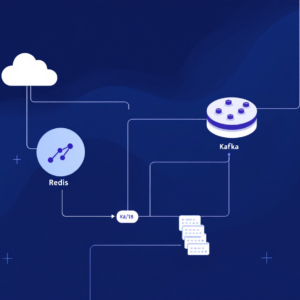
This course unpacks the data lakehouse concept: why traditional data warehouses and data lakes create friction, and how Databricks bridges that gap through Delta Lake’s ACID transactions, schema enforcement, and unified governance. You’ll explore the architectural layers—storage, compute, and metadata—and see how Databricks integrates with your existing data pipelines.
You’ll also examine practical implementation patterns: ingesting raw data, transforming it reliably, and exposing it to BI and ML workloads without duplication. The course emphasises real-world trade-offs: cost optimisation, query performance tuning, and governance at scale. Big Data LDN’s instruction focuses on decisions you’ll actually face when migrating from legacy systems.
Who Is This Course For?
Ideal for:
- Data Engineers: Building or modernising ETL/ELT pipelines; need clarity on whether Databricks replaces your current warehouse or complements it.
- Analytics Architects: Evaluating data platform consolidation; want to understand Delta Lake’s technical advantages over separate warehouse + lake setups.
- Data Leaders & CTOs: Making platform investment decisions; need a crisp overview of lakehouse economics and governance before deeper evaluation.
May not suit:
- SQL Analysts: If you’re purely writing queries, this architectural course sits above your day-to-day; consider Databricks SQL fundamentals instead.
- Absolute Beginners: Assumes familiarity with data warehousing concepts, ETL, and cloud storage; start with data fundamentals first.
Frequently Asked Questions
How long does Powering the Data Lakehouse with Databricks take?
45 minutes. It’s designed as a focused overview, not a deep-dive. Pair it with Pluralsight’s hands-on labs or Databricks Academy for practical experience.
Do I need Databricks experience to start?
No. The course teaches lakehouse principles and Databricks’ role in them. Basic knowledge of data warehouses, ETL, and cloud storage (S3, ADLS) is helpful but not essential.
Will this teach me to build production pipelines?
It covers architecture and design patterns, not hands-on coding. You’ll understand *what* to build and *why*; follow up with labs or documentation for implementation.
Is this course current with Databricks’ latest features?
Pluralsight and Big Data LDN maintain content regularly. Check the course publish date; Databricks evolves quickly, so pair this with official Databricks documentation for cutting-edge features like Unity Catalog.
Course by Big Data LDN on Pluralsight. Duration: 0h 45m. Last verified by AIU.ac: March 2026.