Node.js: Creating a Basic Node.js App with Socket.io and Redis (Interactive)
Real-time functionality is now table stakes for modern web applications—and Socket.io with Redis is the fastest path to shipping it. This 22-minute interactive course walks you through building a live-updating Node.js app, so you can stop watching tutorials and start deploying.
AIU.ac Verdict: Ideal for backend developers and full-stack engineers who need Socket.io and Redis fundamentals without the fluff. The brevity is both a strength (quick wins) and a limitation—you’ll need follow-up courses for production-grade scaling patterns.
What This Course Covers
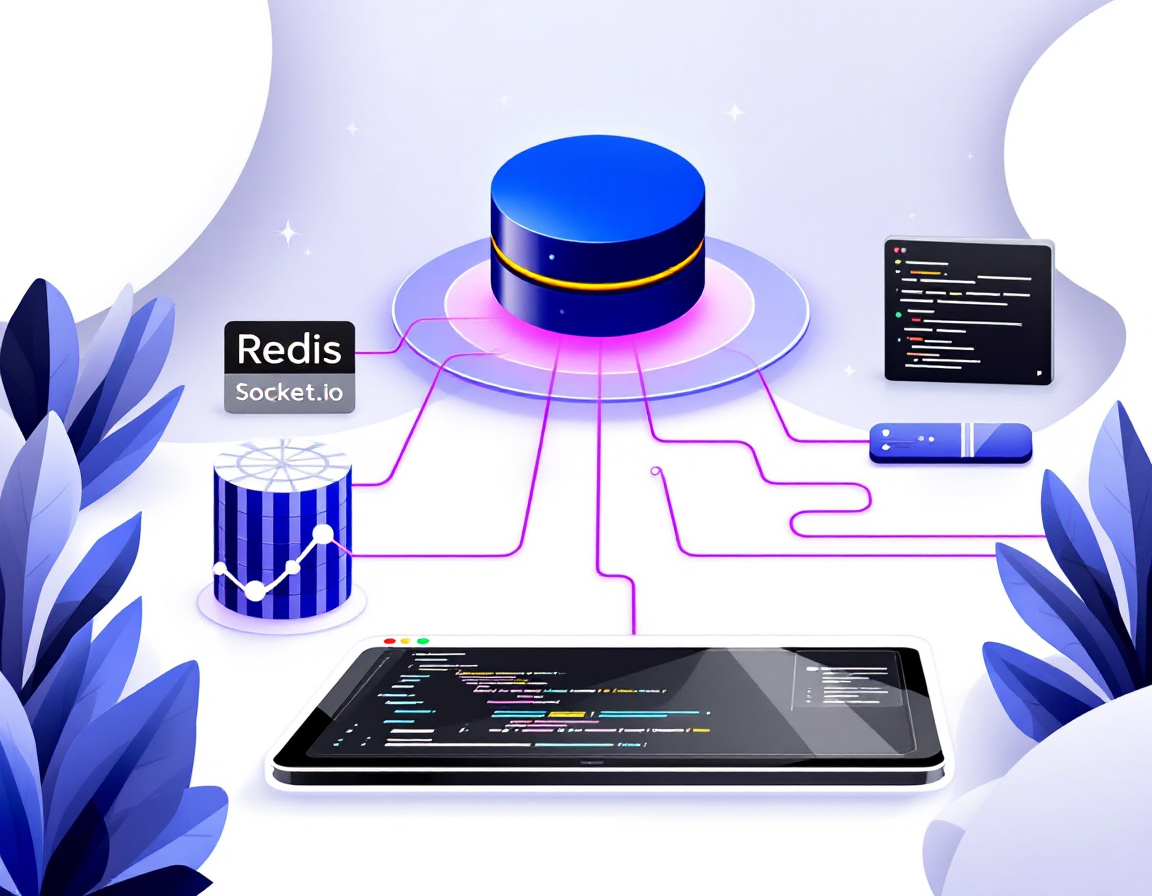
You’ll learn Socket.io event handling, real-time client-server communication, and Redis as a message broker for multi-instance deployments. The course covers practical setup, emitting and listening for events, and integrating Redis to synchronise state across multiple Node.js processes—exactly what you need before building chat apps, live dashboards, or collaborative tools.
Each concept is paired with hands-on labs in Pluralsight’s sandbox environment, so you’re writing code immediately rather than passively watching. You’ll understand why Redis matters for scaling Socket.io beyond a single server, a gap many junior developers miss until production breaks.
Who Is This Course For?
Ideal for:
- Backend developers moving to Node.js: You know server fundamentals but need Socket.io syntax and Redis integration patterns fast.
- Full-stack engineers building real-time features: You’re shipping a feature that requires live updates and need a practical, time-efficient introduction.
- DevOps or platform engineers evaluating Node.js stacks: You need hands-on exposure to Socket.io and Redis architecture before recommending tooling to teams.
May not suit:
- Absolute Node.js beginners: This assumes comfort with Node.js basics, async patterns, and npm. Start with Node fundamentals first.
- Engineers needing production-scale clustering: 22 minutes covers core concepts only; you’ll need advanced courses on load balancing, failover, and Redis Cluster.
Frequently Asked Questions
How long does Node.js: Creating a Basic Node.js App with Socket.io and Redis (Interactive) take?
The course is 22 minutes of video content. With hands-on labs, expect 45 minutes to an hour for full completion.
Do I need prior Node.js experience?
Yes. You should be comfortable with Node.js basics, npm, and asynchronous JavaScript before starting. This is not an introduction to Node.
Will I build a complete application?
You’ll build a basic real-time app with Socket.io and Redis integration. It’s a foundation, not a production-ready system. You’ll understand the core patterns and can extend them.
Is this course hands-on?
Yes. Pluralsight’s interactive labs let you write and test code in a sandbox environment alongside video instruction, not just watch demonstrations.
Who is the instructor?
Carlos Souza, a Pluralsight course author. Pluralsight accepts only 5.5% of applicants as authors, so you’re learning from vetted experts.
Course by Carlos Souza on Pluralsight. Duration: 0h 22m. Last verified by AIU.ac: March 2026.