Docker for Software Development: Python Apps
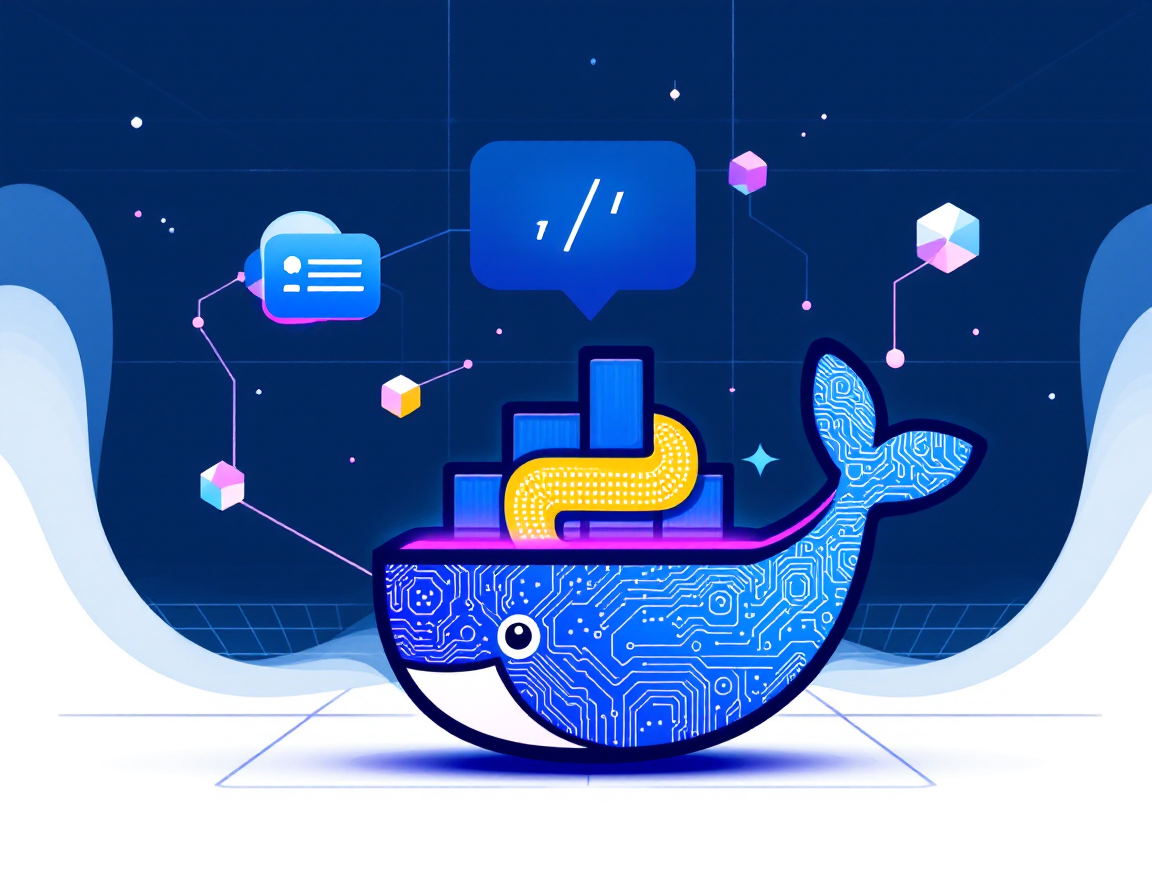
Containerisation is no longer optional—it’s the baseline expectation in modern development teams. This course teaches you to package Python applications in Docker, eliminating ‘works on my machine’ problems and accelerating your deployment pipeline. You’ll move from theory to production-ready containers in under two hours.
AIU.ac Verdict: Ideal for Python developers stepping into DevOps or those shipping applications across multiple environments. The pacing is tight and practical, though you’ll need basic Python and command-line familiarity to keep pace. One caveat: this isn’t a deep dive into Kubernetes or orchestration—it’s pure containerisation fundamentals.
What This Course Covers
You’ll start with Docker fundamentals—images, containers, and the Dockerfile syntax—before moving into Python-specific workflows. Expect hands-on labs covering dependency management, multi-stage builds, and best practices for keeping Python container images lean. The course walks you through real scenarios: building a Flask app, managing secrets, and optimising layer caching.
By the end, you’ll understand how to integrate Docker into your development loop, write production-grade Dockerfiles, and troubleshoot common Python containerisation pitfalls. Steven Haines structures each module around practical problems you’ll actually face: handling environment variables, managing database connections, and debugging containers locally before pushing to staging.
Who Is This Course For?
Ideal for:
- Python developers new to containers: You write Python code but haven’t containerised it yet. This course bridges that gap without assuming DevOps experience.
- Backend engineers moving to microservices: You’re transitioning from monolithic to containerised architectures and need to understand Docker’s role in that shift.
- Junior full-stack developers: You’re ready to own the deployment side of your Python projects and need a focused, time-efficient introduction.
May not suit:
- DevOps engineers with Docker experience: You’ll find this too introductory. Look for advanced orchestration or Kubernetes courses instead.
- Non-Python developers: This course is Python-specific. If you’re working in Node.js or Go, you’ll want language-specific Docker content.
Frequently Asked Questions
How long does Docker for Software Development: Python Apps take?
1 hour 42 minutes. Designed for busy professionals—you can complete it in a single focused session or split across two days.
Do I need Docker installed before starting?
Pluralsight provides sandboxed labs, so you can follow along without local setup. However, installing Docker Desktop beforehand lets you practise independently after each module.
Will this prepare me for production deployments?
Yes, for containerisation itself. You’ll write production-grade Dockerfiles and understand best practices. For orchestration (Kubernetes, Docker Swarm), you’ll need follow-up courses.
What Python experience do I need?
Intermediate Python knowledge is assumed—you should be comfortable with pip, virtual environments, and reading basic Flask or Django code. This isn’t a Python fundamentals course.
Course by Steven Haines on Pluralsight. Duration: 1h 42m. Last verified by AIU.ac: March 2026.