System Services and Activity Monitoring with Python
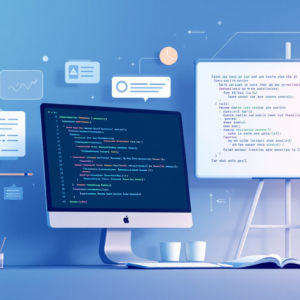
Production systems fail silently when you’re not watching. This course teaches you to build robust monitoring solutions using Python—capturing system metrics, tracking processes, and diagnosing issues before they cascade into outages. You’ll move from reactive firefighting to proactive system intelligence.
AIU.ac Verdict: Essential for DevOps engineers, system administrators, and backend developers who need to instrument their infrastructure. The 1h 46m format is tight—expect practical code over theory—though you’ll want prior Python familiarity to extract full value.
What This Course Covers
You’ll work through system service interrogation, real-time activity monitoring, and performance metric collection using Python’s native libraries. The course covers process management, resource utilisation tracking, and building custom monitoring dashboards that integrate with production environments. Expect hands-on labs where you’ll write actual monitoring scripts you can deploy immediately.
Sean Wilkins guides you through practical patterns: capturing system events, parsing activity logs, correlating metrics across services, and alerting on anomalies. You’ll learn defensive coding for system-level operations, error handling when querying system state, and how to avoid common pitfalls like resource leaks in long-running monitors.
Who Is This Course For?
Ideal for:
- DevOps and SRE engineers: Build custom monitoring stacks and integrate system diagnostics into CI/CD pipelines.
- Backend and infrastructure developers: Instrument your applications with system-level observability without external dependencies.
- System administrators: Automate health checks, performance audits, and compliance monitoring across your estate.
May not suit:
- Python beginners: Assumes solid Python fundamentals; you’ll struggle without prior experience with modules, file I/O, and exception handling.
- Enterprise monitoring platform specialists: Focuses on building from first principles rather than configuring Datadog, Prometheus, or New Relic.
Frequently Asked Questions
How long does System Services and Activity Monitoring with Python take?
1 hour 46 minutes of video content. Plan 2–3 hours total including hands-on lab exercises.
What Python version and OS does this cover?
The course uses modern Python 3.x and covers cross-platform system APIs. Labs run on Linux/Unix; Windows-specific patterns are addressed separately.
Will I learn to use monitoring platforms like Prometheus or Datadog?
No—this teaches you to *build* monitoring solutions from scratch using Python. It’s foundational knowledge that makes platform-specific tools easier to master later.
Can I use this for production monitoring immediately?
Yes. You’ll write deployable scripts, but treat them as starting points. Production use requires hardening around error handling, security, and scalability for your specific infrastructure.
Course by Sean Wilkins on Pluralsight. Duration: 1h 46m. Last verified by AIU.ac: March 2026.